buku ekonomi bisnis kelas 10

Why is it important to study Economics in high school?
Economics is an essential subject to study in high school because it provides a foundational understanding of how individuals and societies make choices to allocate scarce resources. Here are some reasons why studying economics is important:
- Developing critical thinking skills: Economics helps students develop analytical and problem-solving skills that are valuable in various fields.
- Understanding human behavior: Economics explores how individuals and societies make decisions in different situations, allowing students to gain insights into human behavior and decision-making processes.
- Preparing for real-life financial decisions: Studying economics equips students with the knowledge and skills to make informed financial decisions in their personal and professional lives.
- Examining societal issues: Economics provides a framework for analyzing and understanding societal issues such as unemployment, inflation, poverty, and inequality.
- Career opportunities: A strong foundation in economics opens up a wide range of career opportunities in fields such as finance, business, government, international relations, and consulting.
What are the key concepts covered in the Economics curriculum for high school?
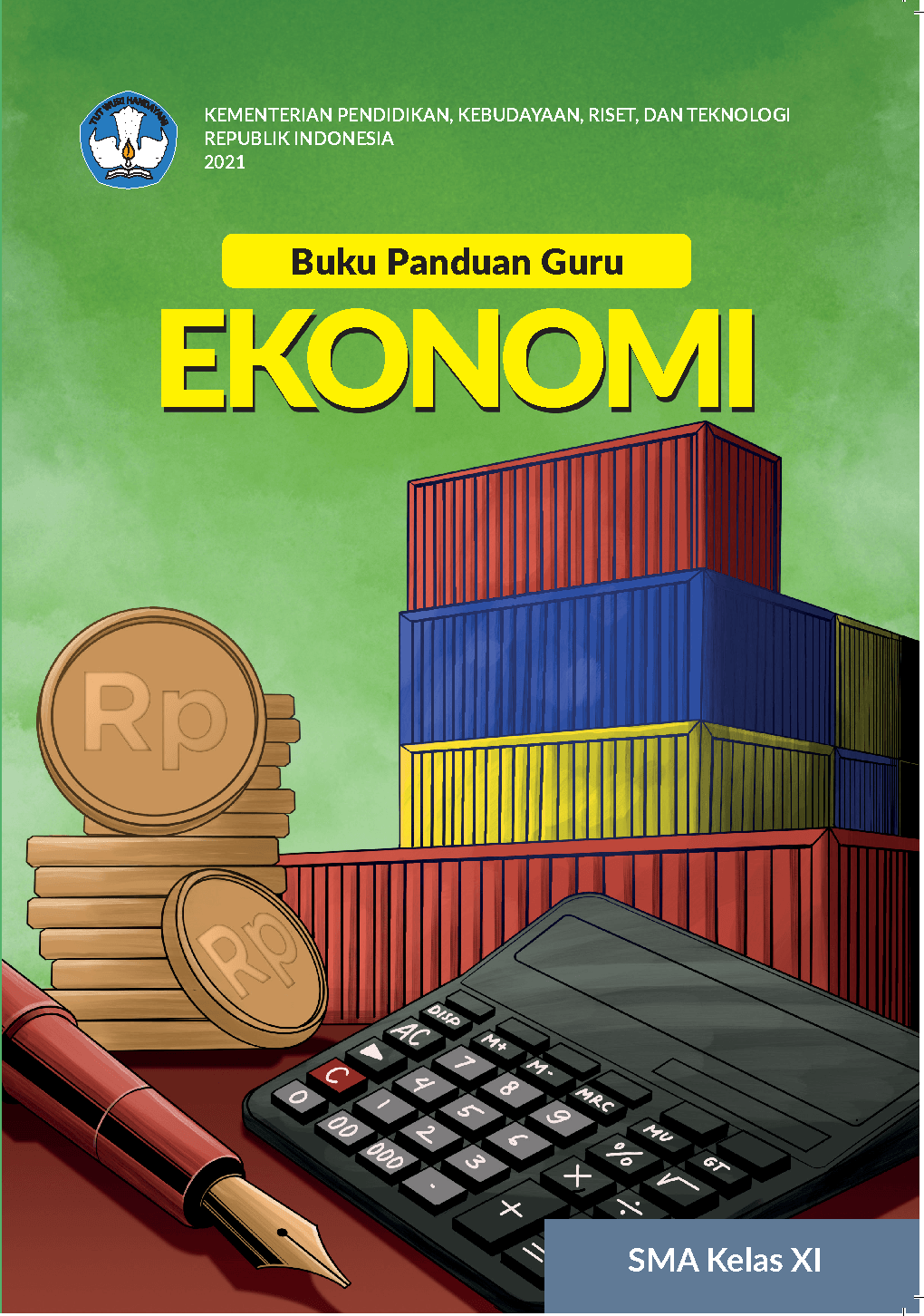
The Economics curriculum for high school covers several key concepts that are important for students to understand. These concepts include:
- Supply and demand: Students learn about the fundamental forces that shape prices and quantities in markets.
- Macroeconomics: This field of study focuses on the behavior of the economy as a whole, including topics such as GDP, inflation, monetary policy, and fiscal policy.
- Microeconomics: Microeconomics examines the behavior of individual consumers, firms, and industries, studying concepts such as elasticity, market structures, and market failures.
- Economic systems: Students explore different economic systems, such as capitalism, socialism, and mixed economies, and learn about their advantages and disadvantages.
- Personal finance: The curriculum also emphasizes personal finance topics, including budgeting, saving, investing, credit, and insurance.
- International trade: Students learn about the benefits and challenges of international trade, including trade policies and agreements.
How can studying Economics help in everyday life?
Studying Economics can have numerous practical applications in everyday life. Here are some ways in which economics knowledge can be beneficial:
- Personal financial management: Economics helps individuals make informed decisions about budgeting, saving, investing, and borrowing.
- Understanding pricing: Economics teaches concepts such as supply and demand, helping individuals understand the factors that influence prices and enabling them to make better purchasing decisions.
- Career choices: Economics knowledge can inform career choices by providing an understanding of industries, job market trends, and the impact of economic policies.
- Evaluating public policies: Economics equips individuals with the tools to critically analyze public policies and understand their potential impacts on society.
- Negotiation skills: Economics teaches analytical thinking, which can improve negotiation skills and the ability to make mutually beneficial agreements.
What are the potential career options for students with a background in Economics?
Students with a background in Economics have a wide range of career options available to them. Some potential career paths include:
- Financial analyst: Analyzing financial data and providing investment recommendations.
- Economist: Conducting research, analyzing data, and advising on economic policies.
- Business consultant: Assisting businesses in improving their performance and making strategic decisions.
- Banker: Working in various banking roles, such as retail banking, investment banking, or corporate banking.
- Policy analyst: Evaluating public policies and contributing to the development of effective policy solutions.
- Market researcher: Collecting and analyzing data to identify market trends and consumer preferences.
- Entrepreneur: Starting and managing a business, utilizing economic principles to ensure success.
How can studying Economics help in understanding current events?
Studying Economics provides a lens for understanding and analyzing current events. Here's how it helps:
- Expert analysis: With an understanding of economic principles, individuals can better comprehend expert analysis and commentary on current economic issues.
- Policy impacts: Economic policies affect various aspects of society, and studying economics allows individuals to evaluate the potential impacts of policy decisions.
- Global perspective: Economics offers insights into international trade, globalization, and economic interdependencies, helping understand the global context of current events.
- Identifying trends: Economic principles enable individuals to identify patterns, trends, and potential consequences of specific events or policies.
Is Economics a difficult subject to study?
While the difficulty level can vary for each individual, Economics can be challenging for some students due to the nature of the subject. However, with proper study habits, guidance, and support, it can be comprehensible and enjoyable. Here are some tips to overcome the challenges:
- Develop a solid understanding of basic concepts before delving into more complex topics.
- Seek clarification from teachers or tutors when facing difficulties.
- Practice problem-solving regularly to strengthen analytical skills.
- Apply economic concepts to real-life scenarios for better comprehension.
- Engage in group discussions or study groups to exchange ideas and perspectives.
What are the main branches of Economics?
Economics is traditionally divided into two main branches:
- Microeconomics: Microeconomics focuses on the behavior of individuals, households, and firms, and how their decisions impact resource allocation.
- Macroeconomics: Macroeconomics examines the economy as a whole, analyzing factors such as GDP, inflation, unemployment, and fiscal and monetary policies.
However, there are other specialized branches of economics, including:
- International economics: Investigates trade, exchange rates, and global economic relationships.
- Development economics: Studies the economic conditions of developing countries and strategies for sustainable development.
- Public economics: Analyzes the role of government in the economy and examines public policies for taxation and spending.
- Financial economics: Focuses on financial markets, investments, and the behavior of financial institutions.
- Environmental economics: Explores the economic impact of environmental policies and sustainable resource management.
How can Economics help in understanding the global economy?
Economics plays a crucial role in understanding the global economy. Here's how it helps:
- International trade: Economics provides insights into why countries engage in trade, the benefits of specialization, and the impact of trade policies on economies.
- Exchange rates: Understanding economic principles helps decipher the factors that influence exchange rates and their impact on international trade and investment.
- Global economic interdependencies: Economics allows individuals to comprehend the intricate relationships between different economies and how events in one country can have global repercussions.
- Financial markets: Knowledge of economics helps in understanding the functioning of financial markets, global investments, and the movement of capital across borders.
- Comparative advantage: Economics teaches the concept of comparative advantage, explaining why countries specialize in producing certain goods and services.
What skills can one develop by studying Economics?
Studying Economics equips students with a range of valuable skills that are applicable in various domains. These skills include:
- Analytical skills: Economics helps develop the ability to analyze complex economic data, identify patterns, and draw meaningful conclusions.
- Problem-solving skills: Economics teaches students how to approach problems logically, evaluate possible solutions, and make informed decisions.
- Critical thinking: Economics fosters critical thinking by encouraging students to evaluate different perspectives and analyze the impact of economic policies and decisions.
- Numeracy skills: Economics involves working with numbers, data analysis, and understanding statistical concepts, improving numeracy skills.
- Research skills: Studying economics involves conducting research and analyzing data, enhancing research and data interpretation skills.
- Communication skills: Economics requires presenting complex ideas in a clear and concise manner, improving communication skills.
What are some recommended resources for studying Economics?
To enhance your understanding of Economics, here are some recommended resources:
- Textbooks: Refer to textbooks specifically designed for high school or college-level Economics courses.
- Online courses: Platforms like Coursera, Khan Academy, and Udemy offer free or paid online courses on various economics topics.
- Economic news sources: Stay updated with economic news and analysis from reputable sources like The Economist, Bloomberg, or The Wall Street Journal.
- Economic documentaries: Watch documentaries that explore economic concepts and their real-world applications.
- Academic journals: Access scholarly articles and research papers from reputable economic journals to delve deeper into specific topics.
- Study groups: Join or form study groups with peers to discuss economic concepts and exchange ideas.
- Economic simulations: Engage in economic simulations or games to apply theoretical concepts in a practical setting.
How can Economics contribute to making informed financial decisions?
Economics provides valuable knowledge and tools for making informed financial decisions. Here's how it can contribute:
- Understanding opportunity costs: Economics helps assess the trade-offs involved in financial decisions, considering the value of the next best alternative.
- Cost-benefit analysis: Economics teaches the principles of cost-benefit analysis, enabling individuals to compare the potential benefits and costs of different financial choices.
- Risk assessment: Economics provides frameworks for evaluating risks and uncertainties associated with various financial options.
- Interest rates and inflation: Understanding economic concepts like interest rates and inflation helps make decisions related to borrowing, investing, and savings.
- Financial market analysis: Economics knowledge assists in analyzing financial markets, evaluating investment opportunities, and making strategic investment decisions.
How does studying Economics contribute to personal and professional development?
Studying Economics offers several benefits for personal and professional development. Here's how it contributes:
- Enhanced decision-making: Economics equips individuals with analytical tools and frameworks that improve decision-making abilities in both personal and professional contexts.
- Critical thinking: Economics fosters critical thinking skills, enabling individuals to evaluate complex problems objectively and develop innovative solutions.
- Business acumen: Economics provides a solid understanding of the market forces, competition, and the factors that impact business performance.
- Ethical considerations: Economics encourages individuals to consider ethical implications and societal impacts when making decisions.
- Strong communication skills: Economics involves presenting complex ideas and concepts, enhancing communication skills essential for professional success.
- Global perspective: Economics helps individuals understand the global nature of today's interconnected world and prepares them for global career opportunities.
How can Economics help in understanding income distribution and inequality?
Economics offers insights into income distribution and inequality by examining factors that contribute to these dynamics. Here's how it helps:
- Income mobility: Economics studies income mobility and the factors that influence individuals' ability to move across income groups.
- Income sources: Economics helps identify different sources of income, such as wages, profits, interest, and rent, and examines how they contribute to inequality.
- Government policies: Economics analyzes the role of government policies, such as taxation and social welfare programs, in addressing income inequality.
- Economic systems: Understanding different economic systems helps evaluate their impact on income distribution and inequality.
- Human capital: Economics explores how education, skills, and human capital influence income distribution and economic opportunities.